
"Aden port"
70 article(s) found

Introduction to Yemeni Coffee Bean Flavor characteristics, Variety characteristics, Grinding scale treatment method
Yemeni coffee bean flavor characteristics characteristics of coffee varieties grinding scale method Manor introduction the ancient Yemeni city of Aden is located at the southwest end of the Arabian Peninsula, guarding the gateway from the Red Sea to the Indian Ocean, known as the key point of maritime traffic in Europe, Asia and Africa. Aden, 363 kilometers south of the capital Sana'a, is located at the southern tip of the Arabian Peninsula, overlooking the Indian Ocean, and is the heaviest in southern Yemen.

Harald producing area of Ethiopian coffee
At 1600 to 2400 meters above sea level, the Harald Heights in eastern Egypt is one of the highest elevation areas for human coffee cultivation (some even claim to be as high as 2000 to 2700 meters), overlooking the Yemeni ports of Mocha and Aden across the Gulf of Aden. For centuries, Harald coffee farmers used camels, donkeys or carriages to transport coffee beans to the downhill port of Djibouti, risking being besieged by hyenas.

Introduction to Harald producing area of Ethiopian Coffee
At 1600 to 2400 meters above sea level, the Harald Heights in eastern Egypt is one of the highest elevation areas for human coffee cultivation (some even claim to be as high as 2000 to 2700 meters), overlooking the Yemeni ports of Mocha and Aden across the Gulf of Aden. For centuries, Harald coffee farmers, using camels, donkeys or carriages, risked being besieged by hyenas to transport coffee beans to Gibb, a port at the foot of the mountain.

Introduction of Coffee Bean producing areas in Harald, Ethiopia
At 1600 to 2400 meters above sea level, the Harald Heights in eastern Egypt is one of the highest elevation areas for human coffee cultivation (some even claim to be as high as 2000 to 2700 meters), overlooking the Yemeni ports of Mocha and Aden across the Gulf of Aden. For centuries, Harald coffee farmers used camels, donkeys or carriages to transport coffee beans to the downhill port of Djibouti, risking being besieged by hyenas.

Coffee Harald producing area of Ethiopia coffee bean producing area
At 1600 to 2400 meters above sea level, the Harald Heights in eastern Egypt is one of the highest elevation areas for human coffee cultivation (some even claim to be as high as 2000 to 2700 meters), overlooking the Yemeni ports of Mocha and Aden across the Gulf of Aden. For centuries, Harald coffee farmers used camels, donkeys or carriages to transport coffee beans to the downhill port of Djibouti, risking being besieged by hyenas.

Ethiopian Coffee Harald producing area of High quality Ethiopian Coffee producing Ethiopia
At 1600 to 2400 meters above sea level, the Harald Heights in eastern Egypt is one of the highest elevation areas for human coffee cultivation (some even claim to be as high as 2000 to 2700 meters), overlooking the Yemeni ports of Mocha and Aden across the Gulf of Aden. For centuries, Harald coffee farmers used camels, donkeys or carriages to transport coffee beans to the downhill port of Djibouti, risking being besieged by hyenas.

Principle of siphon extraction of Chinese Coffee net in Harald producing area
At 1600 to 2400 meters above sea level, the Harald Heights in eastern Egypt is one of the highest elevation areas for human coffee cultivation (some even claim to be as high as 2000 to 2700 meters), overlooking the Yemeni ports of Mocha and Aden across the Gulf of Aden. For centuries, Harald coffee farmers used camels, donkeys or carriages to transport coffee beans to the port at the foot of the mountain, risking being besieged by hyenas.

Characteristics of Harald Coffee producing area in Ethiopia
The coffee-producing area of Harald in Ethiopia is 1600-2400 meters above sea level, and the Harald Heights in the east of Ethiopia is one of the highest elevation areas for human-grown coffee (some even claim to be as high as 2000-2700 meters), overlooking the ports of Mocha and Aden in Yemen across the Gulf of Aden. For centuries, Harald coffee farmers, with camels, donkeys or carriages, risked being besieged by hyenas.

Flavor characteristics of Harald Coffee producing area in Ethiopia
The coffee-producing area of Harald in Ethiopia is 1600-2400 meters above sea level, and the Harald Heights in the east of Ethiopia is one of the highest elevation areas for human-grown coffee (some even claim to be as high as 2000-2700 meters), overlooking the ports of Mocha and Aden in Yemen across the Gulf of Aden. For centuries, Harald coffee farmers, with camels, donkeys or carriages, risked being besieged by hyenas.

What is Yemeni coffee? What are the growing characteristics of Yemeni coffee?
For more information on coffee beans, please follow the coffee workshop (Wechat official account cafe_style) Yemen is located in Asia, south of Arabian Peninsula, bordered by Saudi Arabia (Saudi Arabia) to the north, Oman (Oman) to the northeast, the Red Sea (Red Sea) to the west, and the Gulf of Aden (Gulf of Aden) to the east and south.

The History and Culture of Harald Coffee
Harald (Harar) is 1600 meters above sea level, and the Harald Heights in eastern Ethiopia is one of the highest elevation areas for human coffee cultivation (some even claim to be as high as 2000 Murray 2,700 meters). Across the Gulf of Aden, overlooking the two ports of Moka and Aden in Yemen. For centuries, Harald coffee farmers carried coffee beans down the mountain with camels, donkeys or carriages, risking being besieged by hyenas.

Basic knowledge of Harald coffee boutique coffee beans
Harald (Harar) is 1600 meters above sea level, and the Harald Heights in eastern Ethiopia is one of the highest elevation areas for human coffee cultivation (some even claim to be as high as 2000 Murray 2,700 meters). Across the Gulf of Aden, overlooking the two ports of Moka and Aden in Yemen. For centuries, Harald coffee farmers carried coffee beans down the mountain with camels, donkeys or carriages, risking being besieged by hyenas.
Harald Coffee Flavor Coffee varieties from African Coffee beans
Harald (Harar) is 1600 meters above sea level, and the Harald Heights in eastern Ethiopia is one of the highest elevation areas for human coffee cultivation (some even claim to be as high as 2000 Murray 2,700 meters). Across the Gulf of Aden, overlooking the two ports of Moka and Aden in Yemen. For centuries, Harald coffee farmers carried coffee beans down the mountain with camels, donkeys or carriages, risking being besieged by hyenas.

Harald Coffee grows one of the highest elevation areas of coffee
Harald (Harar) is 1600 meters above sea level, and the Harald Heights in eastern Ethiopia is one of the highest elevation areas for human coffee cultivation (some even claim to be as high as 2000 Murray 2,700 meters). Across the Gulf of Aden, overlooking the two ports of Moka and Aden in Yemen. For centuries, Harald coffee farmers carried coffee beans down the mountain with camels, donkeys or carriages, risking being besieged by hyenas.
African coffee flavor beans Harald Coffee Flavor cultivated in eastern Ethiopia
Harald (Harar) is 1600 meters above sea level, and the Harald Heights in eastern Ethiopia is one of the highest elevation areas for human coffee cultivation (some even claim to be as high as 2000 Murray 2,700 meters). Across the Gulf of Aden, overlooking the two ports of Moka and Aden in Yemen. For centuries, Harald coffee farmers carried coffee beans down the mountain with camels, donkeys or carriages, risking being besieged by hyenas.

Introduction of Harald High quality Coffee-- Harald Coffee Harald Coffee taste Hara
Harald (Harar) is 1600 meters above sea level, and the Harald Heights in eastern Ethiopia is one of the highest elevation areas for human coffee cultivation (some even claim to be as high as 2000 Murray 2,700 meters). Across the Gulf of Aden, overlooking the two ports of Moka and Aden in Yemen. For centuries, Harald coffee farmers carried coffee beans down the mountain with camels, donkeys or carriages, risking being besieged by hyenas.
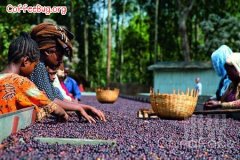
Harald Coffee one of the highest elevation areas of coffee cultivated in Ethiopia
Harald (Harar) is 1600 meters above sea level, and the Harald Heights in eastern Ethiopia is one of the highest elevation areas for human coffee cultivation (some even claim to be as high as 2000 Murray 2,700 meters). Across the Gulf of Aden, overlooking the two ports of Moka and Aden in Yemen. For centuries, Harald coffee farmers carried coffee beans down the mountain with camels, donkeys or carriages, risking being besieged by hyenas.

The highest coffee flavor in Ethiopia introduces the coffee quality in the Harald Highlands.
For the exchange of professional baristas, please follow the coffee workshop (Wechat official account cafe_style) Harald (Harar) is 1600mur2400 meters above sea level, and the Harald Heights in eastern Ethiopia is one of the highest elevation areas for coffee grown by humans (some even claim to be as high as 2000mur2700 meters). Across the Gulf of Aden, overlooking the two ports of Moka and Aden in Yemen. For centuries, Harald coffee farmers have used camels

Discussion on the main producing areas of Industrial planting Variety treatment of Mocha and Matali Mattari in Yemen
Professional coffee knowledge exchange more coffee bean information please follow the coffee workshop (Wechat official account cafe_style) about Yemen Mocha and Matali Mattari [country overview] Yemen is located in the Middle East, with Saudi Arabia to the north, Oman to the east, the Red Sea to the west, the Arabian Sea to the south and the Gulf of Aden to the south; Yemen is still quite poor, receiving IMF assistance, and its main industries are still

A brief introduction to the boutique coffee producing areas in Ethiopia-Hara 03
Harrar boutique producing area: 1600-2400 meters above sea level, Hara is located in the Eastern Highlands of Ethiopia (Harerge Province). It is one of the highest elevation areas for human-grown coffee (some even claim to be as high as 2000-2700 meters), overlooking Yemenmoka and the second port of Aden across the Gulf of Aden. A century ago, it was still wild on the slopes, and local coffee farmers used camels,